
When a potential customer asks ChatGPT or Gemini about your industry, will they mention your business? Or will they recommend a competitor instead?
The answer depends on something most business owners have never heard of: your brand entity.
A brand entity is not your logo or your tagline. It is the collection of information that AI tools use to understand who you are, what you do, and whether you are trustworthy. When AI tools find clear, consistent, and verified information about your business across the web, they cite you with confidence. When they find conflicting or missing information, they ignore you.
This is why some businesses are getting cited by AI tools and others are not—even when they offer similar products or services.
Why It Matters
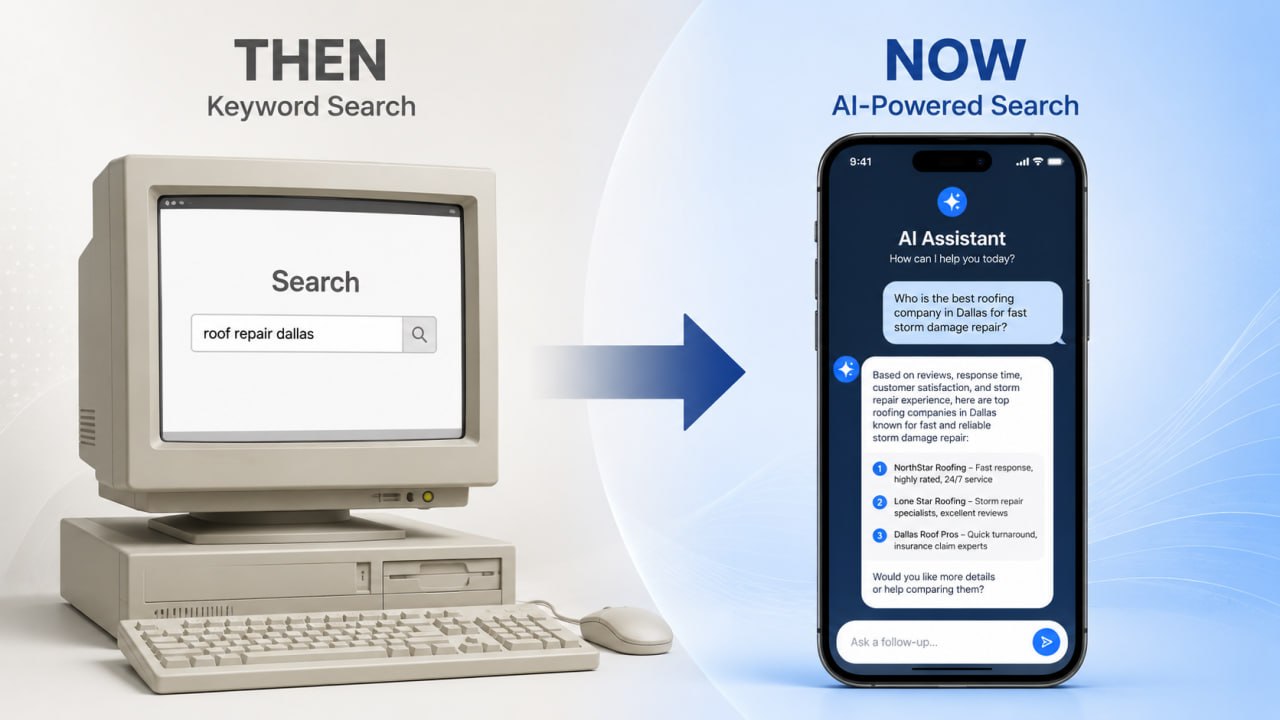
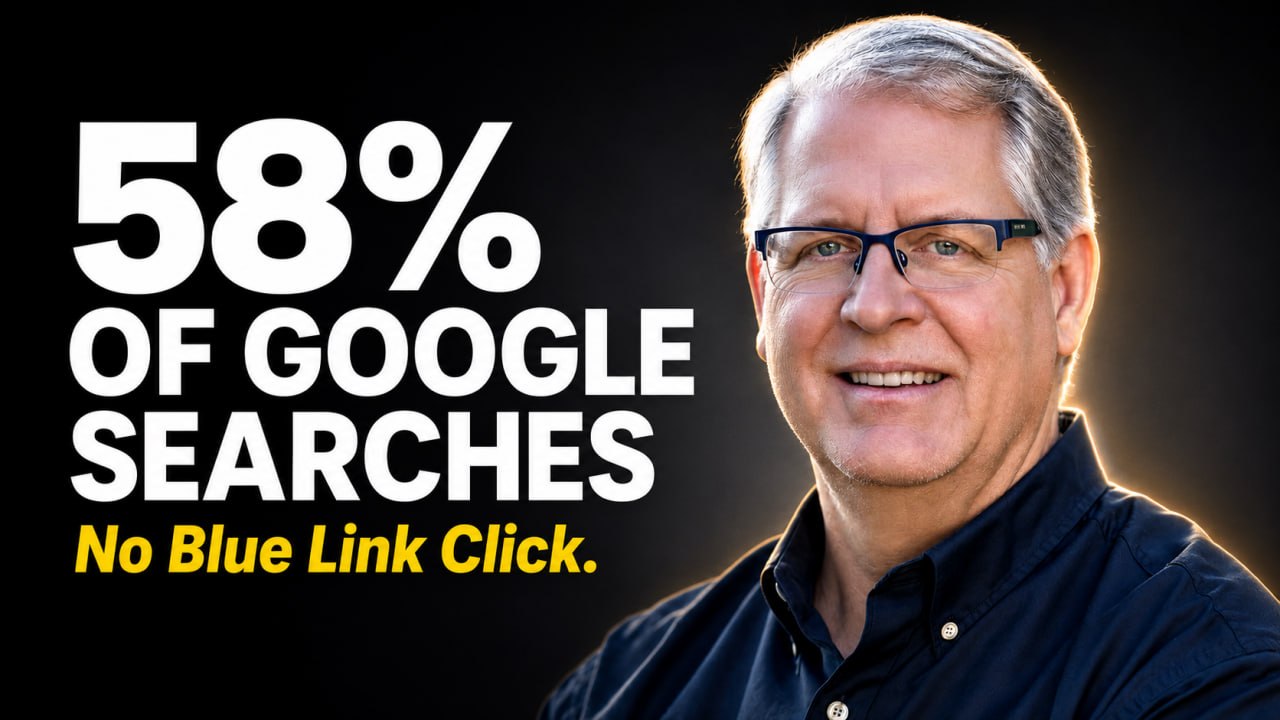
AI tools are becoming the primary way buyers research and make decisions. Unlike traditional search, where you compete for keywords, AI visibility is about whether AI tools can recognize and trust your brand enough to recommend it.
A strong brand entity means:
- AI tools recognize your business as real and legitimate
- They cite you when a buyer asks a relevant question
- They give accurate information about what you offer
- They send qualified leads directly to your business
A weak brand entity means:
- AI tools are uncertain about who you are
- They cite your competitors instead
- They give vague or incorrect information about your business
- You miss opportunities to be found by buyers using AI
The difference is not small. In a world where AI is becoming the default research tool, being invisible to AI is like being invisible to your customers.

What Good Looks Like
A strong brand entity has three characteristics:
1. Consistency — Your business name, location, phone number, and description are the same across your website, Google Business Profile, LinkedIn, industry directories, and other key sources. AI tools cross-reference these sources to verify your information.
2. Clarity — Your website clearly explains what you do, who you serve, and how to contact you. AI tools can understand your business without guessing or inferring.
3. Verification — Your information is backed by trusted sources. Your website is secure (HTTPS), your contact information is current, and your business is listed in relevant industry directories.
When all three are in place, AI tools recognize your brand as legitimate and cite you with confidence.
How to Build a Strong Brand Entity
Start with an audit. Run the Get Cited AI free check to see how your website looks to AI tools. You will see:
- Where your information is clear and consistent
- Where it is missing or outdated
- Where different sources are giving conflicting signals
Once you have the audit, prioritize fixes in this order:
1. Fix your website — Make sure your homepage clearly states what you do, who you serve, and how to contact you. Use structured data (schema markup) to tell AI tools exactly what your business is.
2. Unify your key sources — Update your Google Business Profile, LinkedIn, industry directories, and other key sources to match your website. Pay special attention to your business name, location, phone number, and description.
3. Add verification signals — Get your business listed in relevant industry directories. Add customer reviews. Secure your website with HTTPS. These signals tell AI tools that your business is real and trustworthy.
4. Monitor and maintain — Brand entities are not a one-time fix. As your business evolves, update your information across all sources. Remove outdated profiles. Keep everything current.
The Competitive Advantage
Most business owners still think about marketing in terms of traditional SEO and paid ads. They are optimizing for search rankings and click-through rates. But the future of customer discovery is AI-driven.
Businesses that build strong brand entities now will have a massive advantage. When a buyer asks an AI tool for a recommendation, your business will be there—cited with confidence, trusted, and ready to convert.
Businesses that ignore brand entity will become invisible. They will lose deals to competitors who invested in clarity, consistency, and verification.
The choice is yours. But the time to act is now.
Check Your AI Visibility Now — It's Free
FAQ
Q: What is a brand entity?
A: A brand entity is the collection of information that AI tools use to understand who you are, what you do, and whether you are trustworthy. It includes your company name, location, contact information, website, social profiles, and the descriptions of your business across the web.
Q: Why do AI tools care about brand entities?
A: AI tools like ChatGPT and Gemini need to verify that a business is real and trustworthy before they recommend it. They do this by cross-referencing your brand entity across multiple sources. If your information is scattered, conflicting, or missing, AI tools will either ignore you or give uncertain answers about your business.
Q: How do I know if my brand entity is weak?
A: Run the Get Cited AI free check to see how your website looks to AI tools. You will see where your information is clear, where it is missing, and where different sources are giving conflicting signals. Common issues include inconsistent business names, missing or outdated contact information, and websites that do not clearly explain what you do.
Q: What happens when multiple sources say different things about your brand?
A: When AI tools find conflicting information about your business across different sources—like your website, Google Business Profile, LinkedIn, and industry directories—they become uncertain. They may cite you less often, give vague answers about your business, or recommend a competitor instead. The fix is to audit and unify all sources.
Q: How long does it take to build strong AI visibility for a brand?
A: Most businesses see meaningful improvement in AI citation rates within 60 to 90 days of implementing a structured entity strategy. The timeline depends on how fragmented your current digital footprint is and how quickly you can bring consistency to your key sources.
Q: Is AI visibility the same as traditional SEO?
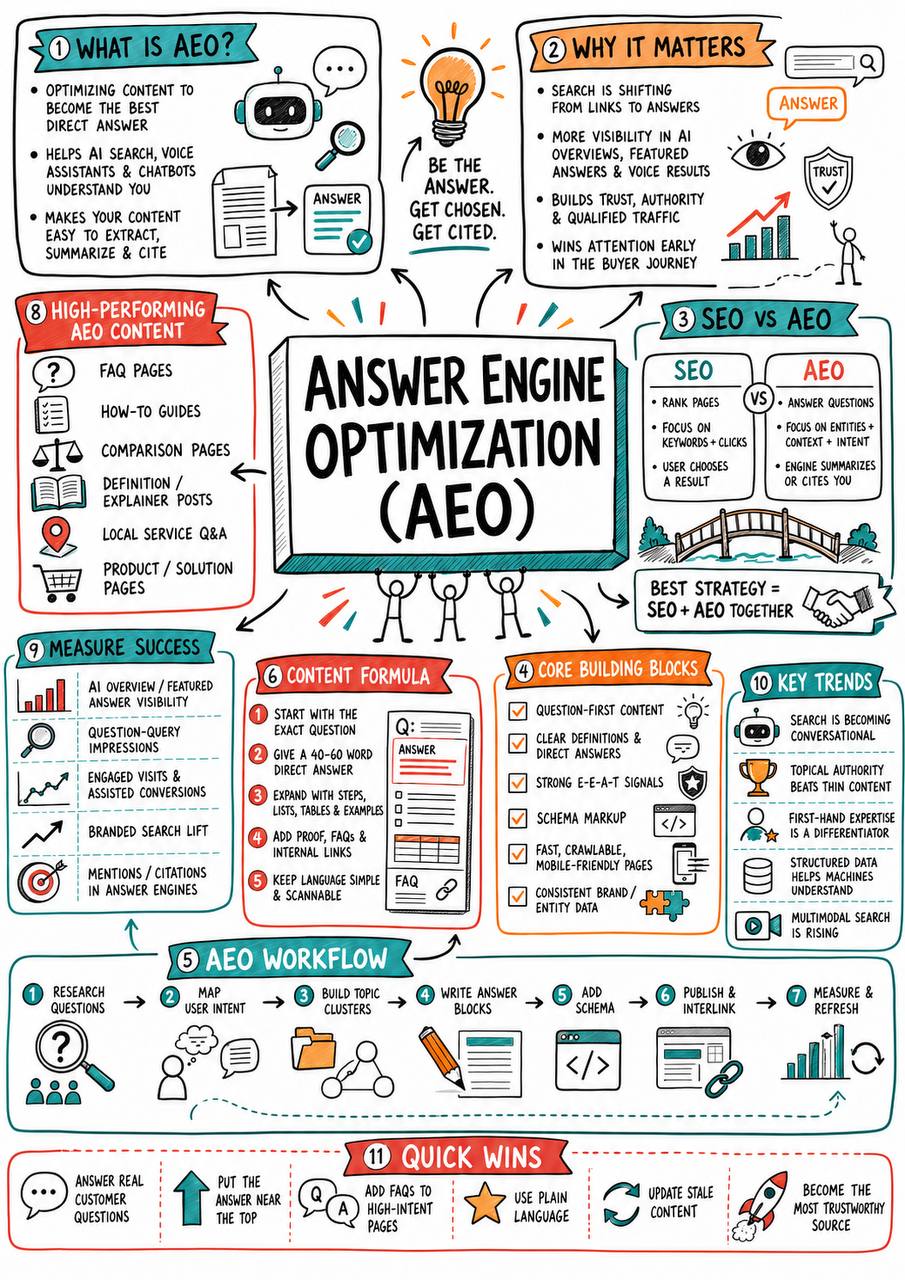
A: They are related but not the same. Traditional SEO focuses on ranking pages in search results for keyword queries. AI visibility focuses on whether AI tools can recognize, verify, and confidently cite your brand when a buyer asks a question. You need both, but the tactics are different.